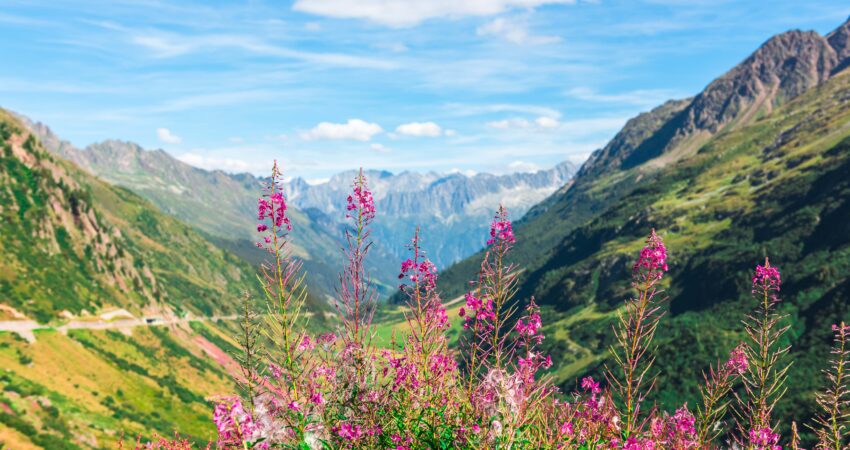
Located in the central part of Andorra, Escaldes Engordany combines historical settlements, mountain scenery, and natural thermal resources. The parish developed from older communities that shared close economic and social links. Today it is known for its cultural background, natural surroundings, and its position within one of the most populated areas of the principality.
Historical Formation of Escaldes Engordany
Escaldes Engordany became the seventh parish of Andorra in 1978. Before that date, the territory formed part of the administrative structure connected with Andorra la Vella. The modern parish emerged from settlements that had already shared common interests for many generations.
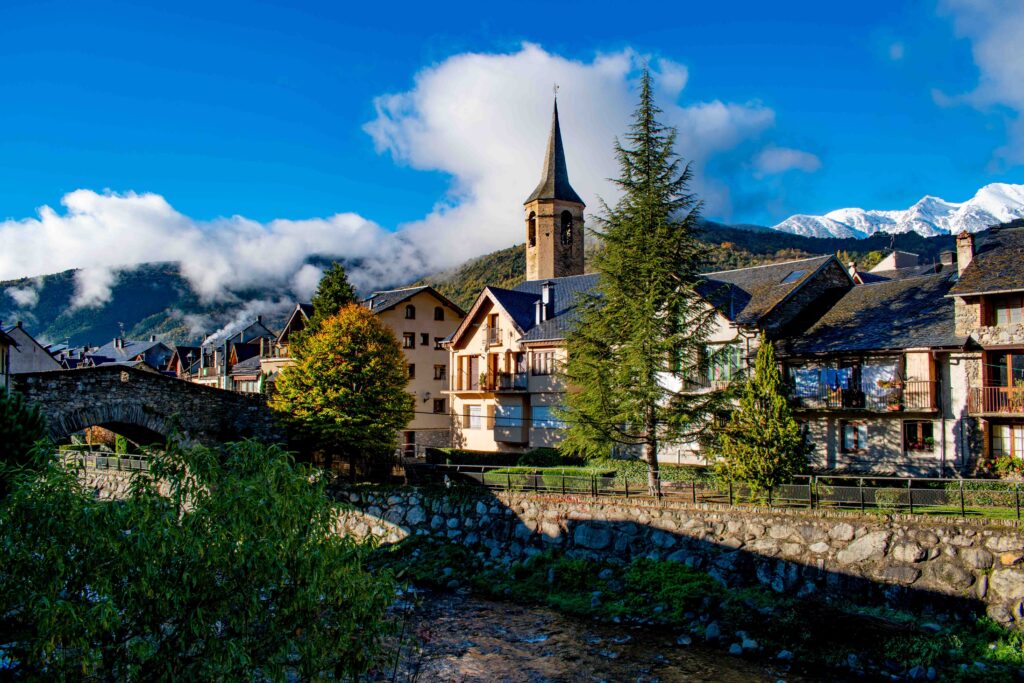
Two historic communities played an important role in this development. Engordany stood on the sunny side of the valley, while Les Caldes grew on the shaded side where thermal waters emerged from the ground. Another small settlement called Fené once existed in the area but later disappeared. These communities were linked by an agreement signed in 1726, creating a stronger local unit that continued to evolve through the centuries.
Landscape and Natural Environment
The parish is surrounded by mountain landscapes that shape daily life and local geography. It borders several other regions of Andorra and also shares a boundary with Spain. Valleys, forests and elevated terrain create varied scenery across the territory.
Natural attractions remain an important characteristic of the area. Visitors often notice the combination of urban districts and nearby mountain environments. Lakes, protected natural zones, and high elevation viewpoints can be found beyond the central settlements. The thermal springs are among the most distinctive natural features and have influenced local development for centuries. Their presence helped establish Les Caldes as a place of activity and settlement long before the creation of the modern parish.
Modern Features of Escaldes Engordany
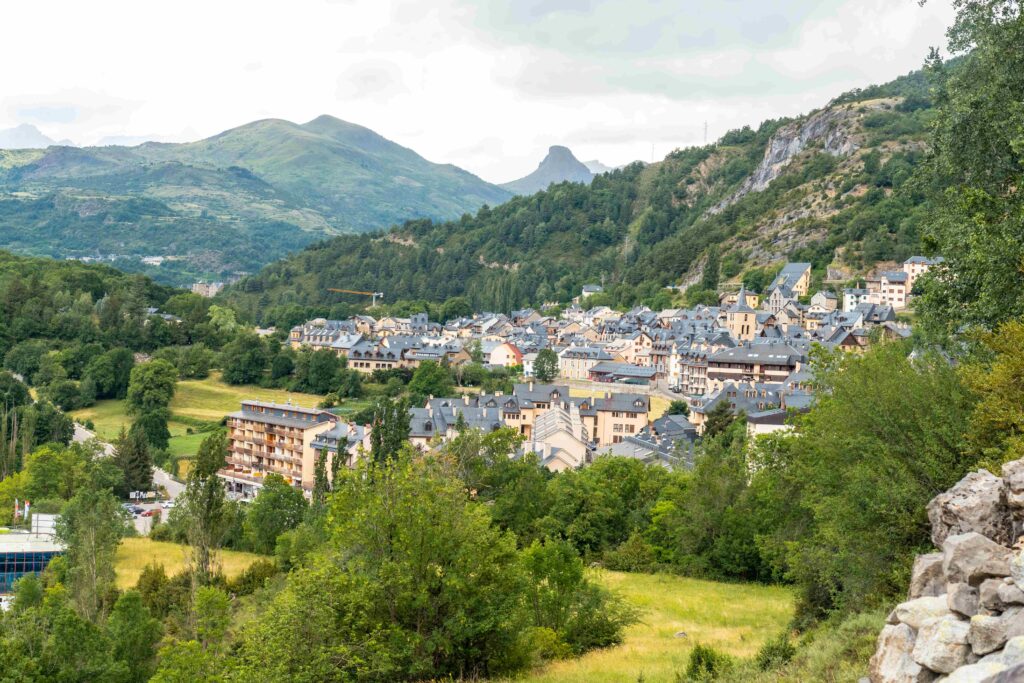
Today the parish combines historical traditions with contemporary urban life. Commercial areas, public spaces and residential districts exist alongside older parts of the settlements.
Several characteristics help define the modern parish:
- Historic villages with long local traditions.
- Natural thermal springs.
- Mountain lakes and protected areas.
- Central location within Andorra.
- Commercial and cultural districts.
Escaldes Engordany is a good example of how historical communities can develop, although remaining connected to their past. The parish is a reflection of the natural environment and the human history that created it. The landscape still shows mountains, thermal waters, and centuries of settlement growth. All this, together, creates a place with a great place in the geography and history of today’s Andorra for residents and visitors, in any season.