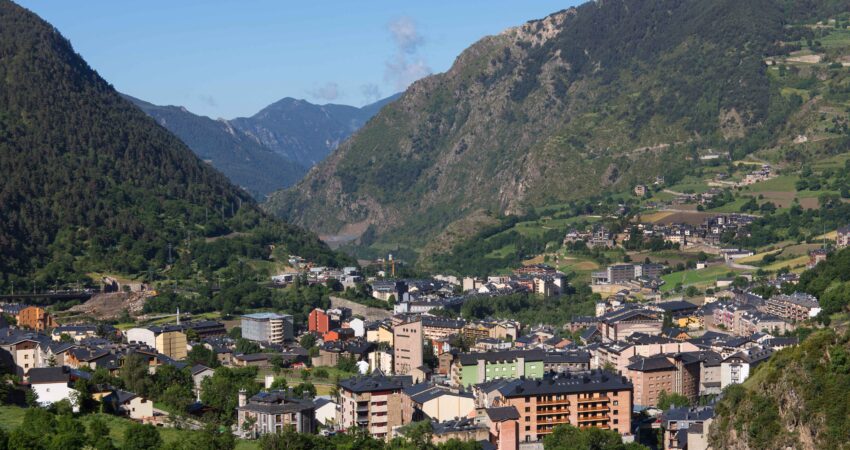
Andorra La Vella stands in the center of the Pyrenees and works as the capital of Andorra. The city is surrounded by high mountains and river valleys, while old buildings and modern areas exist close together. Visitors often come here to learn about local history, see important landmarks, and explore the daily life of the country.
Geography and Development of Andorra La Vella
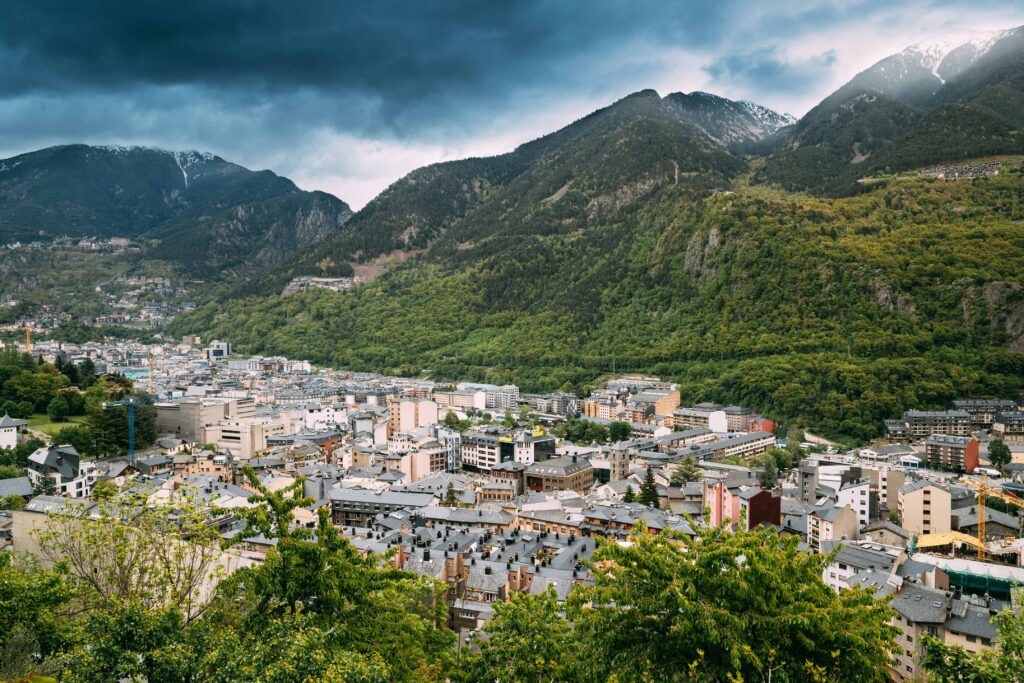
The city is located where several mountain rivers meet. Around it rise peaks that reach more than 2,500 meters. Because of this position, Andorra La Vella became an important settlement in a territory that lies between Spain and France. The mountain landscape gives strong character to the urban area and creates many views from different parts of the city.
Over time the town expanded beyond its original limits. Areas that were once separate settlements became connected with the growing capital. This process changed the appearance of the city, yet many historical places remained preserved. Today old streets can be found only a short distance from newer administrative and commercial districts.
Several features define the city environment:
- Mountain location surrounded by high peaks
- River valleys crossing the urban area
- Historic stone architecture
- Public squares and cultural spaces
- Shopping streets with many stores
Historic Places in Andorra La Vella
The oldest section of the city is known as the Barri Antic. This area formed the original center of settlement many centuries ago. Narrow cobblestone streets pass between stone houses that still show traditional building methods. Walking through this district gives a picture of how the town looked before modern growth.
Casa de la Vall and Religious Heritage
One of the most recognized buildings is Casa de la Vall. Constructed in 1580 as a private residence, it later became the meeting place of the Andorran parliament. For many years this building played an important role in the political life of the country. Its architecture combines practical design with elements common in mountain communities of the period.
Another notable monument is the Church of Sant Esteve. Parts of the structure date from the eleventh century. The Romanesque apse remains an important example of medieval religious architecture in Andorra. Historic paintings connected with the church also provide information about local artistic traditions from earlier centuries.
Public Spaces and Modern Attractions
A well–known gathering place is Placa del Poble. The square stands above an administrative building and serves as a social center for residents and visitors. Cultural events, performances, and everyday activities take place here throughout the year. The open space also offers views toward the surrounding mountains.
Modern Andorra La Vella is known for shopping districts and wellness facilities. Streets such as Avinguda de Meritxell attract many visitors because of their commercial activity. Nearby, the Caldea thermal complex became one of the most famous contemporary attractions in the country. Together with historical sites, these places show how the capital combines heritage, culture and present day urban life.