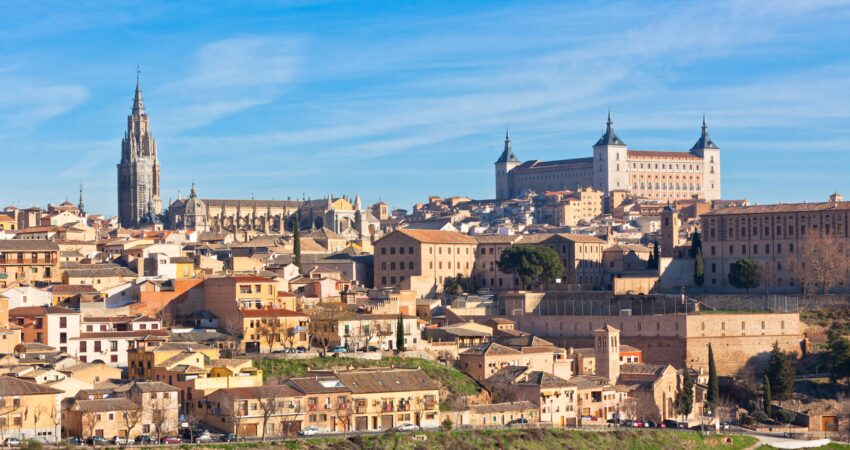
Aragon is a historic region of northeastern Spain, with mountains, castles, old villages, and strong cultural traditions. Its territory extends from the Pyrenees in the north to more isolated uplands in the south. Many travelers look to the larger Spanish destinations, but Aragon has its own character, grounded in geography, history, and centuries of political development.
Geography of Aragon
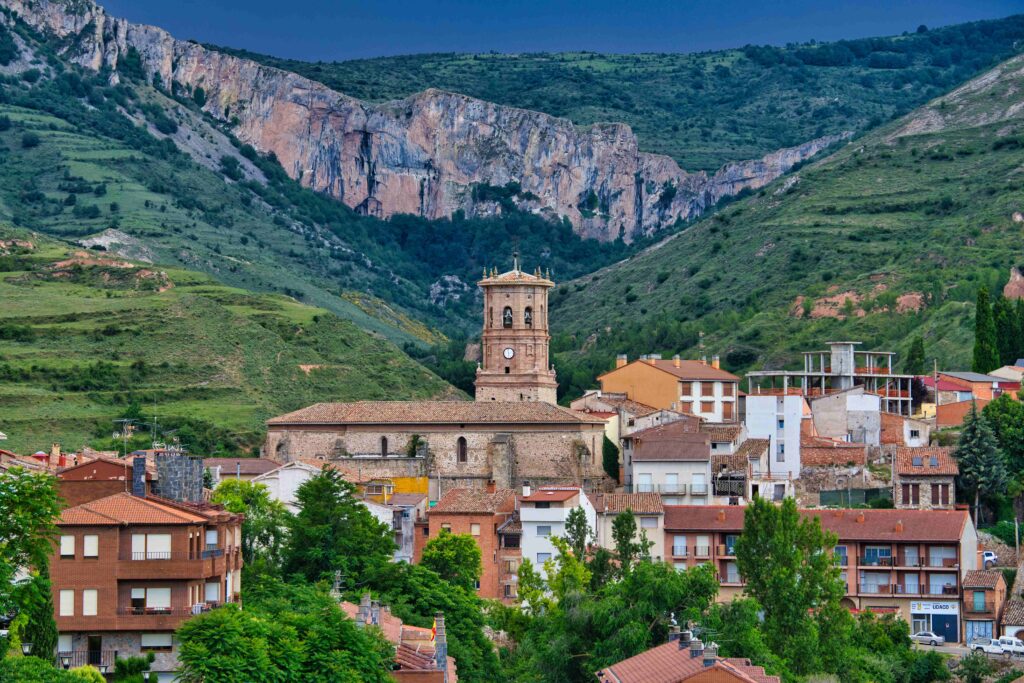
Aragon is formed by three provinces – Zaragoza, Huesca, and Teruel. Each province has different landscapes and historical features. The northern part contains the Aragonese Pyrenees, where some of the highest mountains in Spain rise above deep valleys and rugged terrain. Peaks such as Aneto, Monte Perdido, and Posets dominate the horizon and create conditions suitable for both summer and winter activities.
South of the mountains the landscape changes. Broad plateaus, open depressions, and sparsely populated countryside become more common. Many settlements remain small and are separated by large rural areas.
Several natural and historical elements are especially important:
- High mountain ranges and valleys
- Medieval castles and monasteries
- Romanesque architectural heritage
- Historic towns and villages
- Traditional agricultural landscapes
Historical Development of Aragon
Aragon has one of the longest political histories in Spain. During the medieval period, parts of the region stood near the frontier between Christian and Muslim territories. Local rulers gradually expanded their influence and established the Kingdom of Aragon. By the beginning of the thirteenth century, Christian control extended across the territory that forms modern Aragon.
A royal marriage in the twelfth century united Aragon and neighboring Catalonia. This alliance created the Crown of Aragon, an important Mediterranean power. Over time its rulers governed territories that reached far beyond the Iberian Peninsula. Later, the union of Aragon and Castile helped form the foundations of modern Spain.
The city of Zaragoza evolved as one of the main centers of the region. Halfway between Madrid and Barcelona , it developed as an important center of trade, administration, and culture. Many of these historical monuments still bear the scars of this long period of growth and influence.
Architecture and Artistic Legacy
Architecture in Aragon reflects the diversity of its past. Romanesque churches can be found in mountain valleys, while the city of Teruel is famous for remarkable examples of Mudejar design. Decorative towers and historic buildings demonstrate the interaction of different cultural traditions over many centuries.
The region is also closely connected with the painter Francisco Goya. Born near Zaragoza in 1746, he became one of Spain’s most influential artists. His works and legacy remain important parts of Aragon’s cultural identity.